Download Entity Relationship (ER) Diagram
Subscribe our YouTube channel for latest project videos and tutorials Click Here
An Entity Relationship Diagram is a graphical representation of entities and their relationships to each other. An Entity Relationship Diagram is a type of flowchart that illustrates how “entities” like people, objects or concepts relate to each other within a system. ER Diagrams are mostly used to design or debug relational databases in the fields of computer science, business information systems, education and research. ER diagrams are related to data structure diagrams (DSDs), which focus on the relationships of elements within entities instead of relationships between entities themselves.
Here we are developing all type of er diagrams online for projects. Our website Freeprojectz.com provide er diagram and report solution for the final year engineering students. Here student can easily download er diagram online.
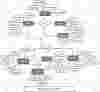
Resume Builder ER Diagram
This ER (Entity Relationship) Diagram represents the model of Resume Builder Entity. The entity-relationship diagram of Resume Builder shows all the visual instrument of database tables and the relations between Skills, Question, Resume, Salary etc. It used structure data and to define the relationships between structured data groups of Resume Builder functionalities. The main entities of the Resume Builder are Resume, Skills, Job, Question, Jobseeker and Salary.
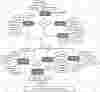
Project Management System ER Diagram
This ER (Entity Relationship) Diagram represents the model of Project Management System Entity. The entity-relationship diagram of Project Management System shows all the visual instrument of database tables and the relations between Employee, Task, Project, Ticket etc. It used structure data and to define the relationships between structured data groups of Project Management System functionalities. The main entities of the Project Management System are Project, Employee, Employee Salary, Task, Bug and Ticket.
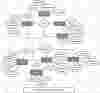
Order Processing System ER Diagram
This ER (Entity Relationship) Diagram represents the model of Order Processing System Entity. The entity-relationship diagram of Order Processing System shows all the visual instrument of database tables and the relations between Customer, Bill, Product, Payment etc. It used structure data and to define the relationships between structured data groups of Order Processing System functionalities. The main entities of the Order Processing System are Product, Customer, Order, Bill, Company and Payment.
Onile Gas Booking System ER Diagram
This ER (Entity Relationship) Diagram represents the model of Onile Gas Booking System Entity. The entity-relationship diagram of Onile Gas Booking System shows all the visual instrument of database tables and the relations between Connections , Bookings , Gas , Delivery etc. It used structure data and to define the relationships between structured data groups of Onile Gas Booking System functionalities. The main entities of the Onile Gas Booking System are Gas , Connections , Customers , Bookings , Payments and Delivery.
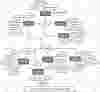
Vegetable Store Management System ER Diagram
This ER (Entity Relationship) Diagram represents the model of Vegitable Store Management System Entity. The entity-relationship diagram of Vegitable Store Management System shows all the visual instrument of database tables and the relations between Store, Category, Vegetable, Bill etc. It used structure data and to define the relationships between structured data groups of Vegitable Store Management System functionalities. The main entities of the Vegitable Store Management System are Vegetable, Store, Stock, Category, Payment and Bill.
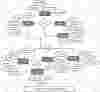
Store Management System ER Diagram
This ER (Entity Relationship) Diagram represents the model of Store Management System Entity. The entity-relationship diagram of Store Management System shows all the visual instrument of database tables and the relations between Product, Bill, Stock, Store etc. It used structure data and to define the relationships between structured data groups of Store Management System functionalities. The main entities of the Store Management System are Stock, Product, Product Quality, Bill, Customer and Store.
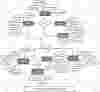
Result Management System ER Diagram
This ER (Entity Relationship) Diagram represents the model of Result Management System Entity. The entity-relationship diagram of Result Management System shows all the visual instrument of database tables and the relations between Class, Exam, Student, Teacher etc. It used structure data and to define the relationships between structured data groups of Result Management System functionalities. The main entities of the Result Management System are Student, Class, Subject, Exam, Result and Teacher.

Product Supply Management System ER Diagram
This ER (Entity Relationship) Diagram represents the model of Product Supply Management System Entity. The entity-relationship diagram of Product Supply Management System shows all the visual instrument of database tables and the relations between Supply, Stocks, Product, Accounts etc. It used structure data and to define the relationships between structured data groups of Product Supply Management System functionalities. The main entities of the Product Supply Management System are Product, Supply, Delivery, Stocks, Inventory and Accounts.
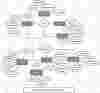
Order Management System ER Diagram
This ER (Entity Relationship) Diagram represents the model of Order Management System Entity. The entity-relationship diagram of Order Management System shows all the visual instrument of database tables and the relations between Order, update, Product, Product Quality etc. It used structure data and to define the relationships between structured data groups of Order Management System functionalities. The main entities of the Order Management System are Product, Order, Confirm Order, update, Customer and Product Quality.
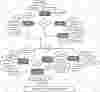
Timetable Management System ER Diagram
This ER (Entity Relationship) Diagram represents the model of Timetable Management System Entity. The entity-relationship diagram of Timetable Management System shows all the visual instrument of database tables and the relations between Attendance, Student, Timetable, Teacher etc. It used structure data and to define the relationships between structured data groups of Timetable Management System functionalities. The main entities of the Timetable Management System are Timetable, Attendance, Class, Student, Subject and Teacher.